


With more than 40 years in the special application vehicle industry,


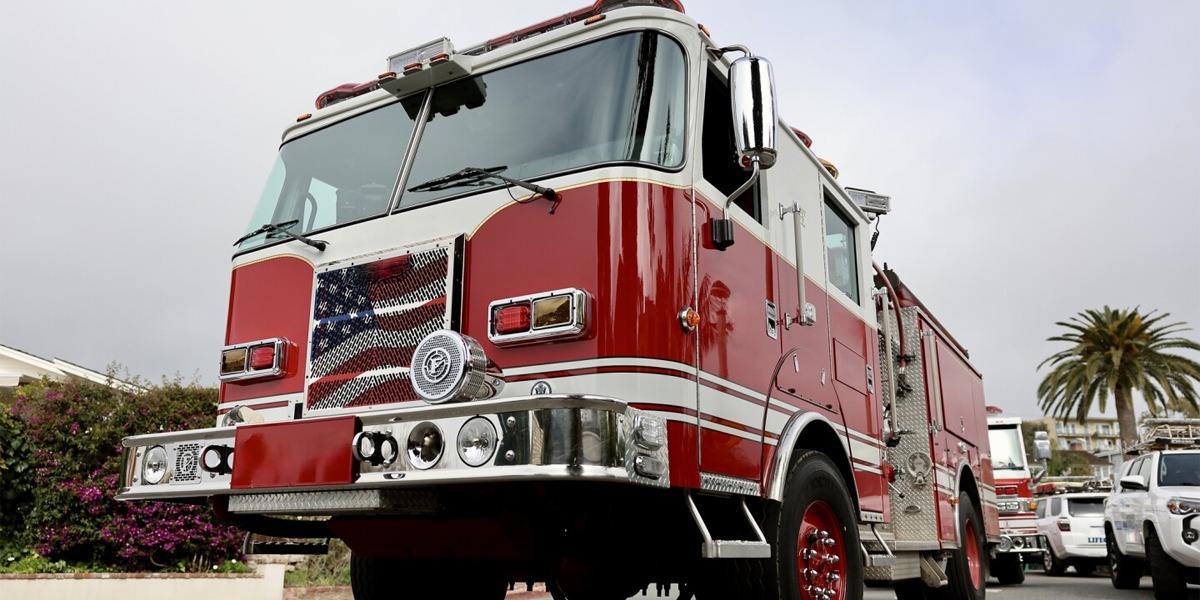
In modern fire fighting, speed is crucial but with the passage of time, other factors such as precision, safety and reliability under extreme conditions are also gaining importance. Today, it is common to see that the urban landscape is growing and industrial complexes are becoming more complex. The aerial fire trucks are often the first one to respond. Hence, it is important for them to be equipped with cutting-edge safety systems and their structure should be based on lightweight engineering. It is crucial for the fire to have a powerful water delivery system so that firefighters can get the much-required support.
Firefighting at great height is a significantly risky task and modern aerial trucks are engineered with safety at top priority. The presence of sophisticated safety features protects both the fire fighters and operators during critical operations. In the modern aerial fire trucks, you can find many features such as an overload protection system that prevents booms from extending beyond safety limits. Real time monitoring of the operations has become easy to ensure structural stability. The new fire truck models have reinforced platforms, non-slippery surfaces that further enhance the safety of fire fighters when they work at elevation. The presence of these features significantly reduce operational risks and allow crews to focus on rescue and fire suppression with confidence.
The modern aerial fire trucks have smart control systems that allow precise and smooth movement of ladders, platforms. The prestigious fire fighting vehicles manufacturers have integrated smart control systems to manage features such as boom positioning, speed and angle in order to reduce operator fatigue and human error. The latest models of the fire fighting vehicles can be seen with joystick-based controls and touchscreen panels. Features such as safety interlocks prevent unsafe movements. The new-generation fire trucks are based on the latest technology. The smart features monitor the performance and alert operators about potential issues, thus improving reliability during emergency responses.
Modern fire trucks are not just equipped with the latest features, but, also, their design has undergone transformation. In order to achieve greater reach without affecting stability, the fire fighting vehicles manufacturers make use of lightweight and high-strength materials. The high-tensile steel, advanced aluminum alloys are now commonly used in the construction of fire trucks. This certainly helps to reduce a vehicle's overall weight while maintaining structural integrity. The use of lightweight material is beneficial in various ways. The vehicles can improve their fuel efficiency and easily maneuver in congested urban areas. For fire fighting vehicles, it is crucial to have limited weight. The reduced weight also diminishes stress on the stabilization system and hydraulics, thus extending the life of the equipment.
The modern aerial fire trucks are now equipped with advanced stabilization systems to ensure safe deployment. The features of the vehicle might vary with the models. In many models, the automatic stabilization system activates as soon as the vehicle is positioned in order to save valuable time during emergencies.
So, if you are planning to upgrade your firefighting fleet with advanced vehicles, consider investing in the latest models that are equipped with state-of-the-art features. By combining advanced safety features, innovative material, robust stabilization and smart control, it becomes easy for firefighters to operate effectively.

With more than 40 years in the special application vehicle industry,