


With more than 40 years in the special application vehicle industry,


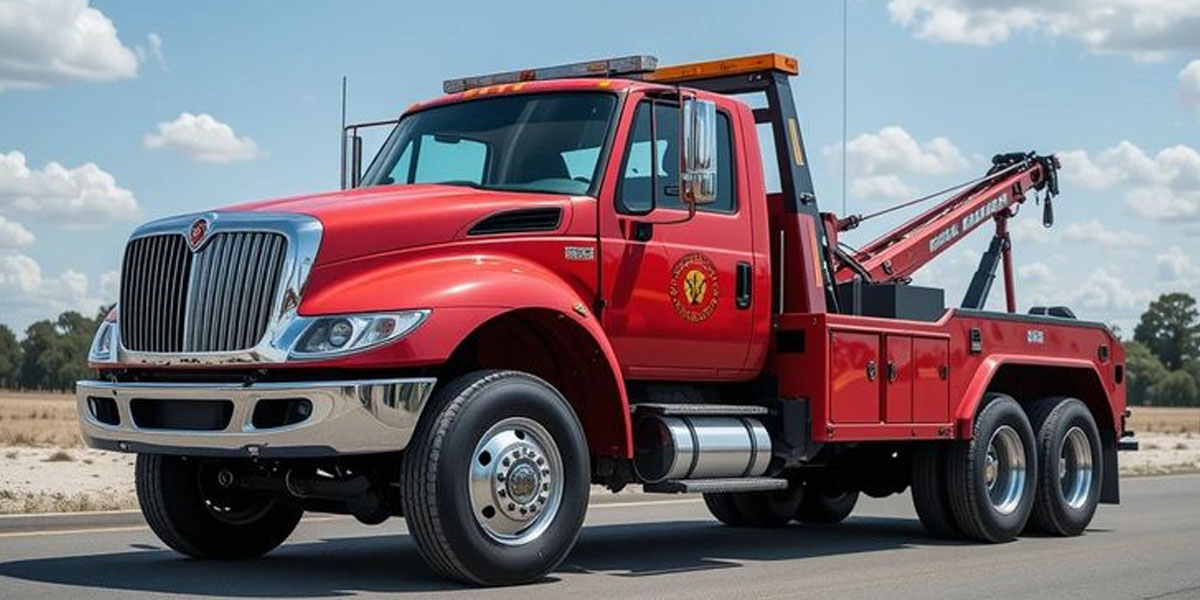
Most people have seen a fire truck speed past with lights flashing. But not all fire trucks are the same — and some are built for places most people never think about.
A regular city fire truck is built for streets, hydrants, and buildings. Industrial fire trucks are built for something else entirely — oil refineries, airports, chemical plants, mining sites, places where a normal truck wouldn't cut it.
These trucks carry more water, more foam, and sometimes specialized agents for chemical or fuel fires. They're heavier, built tougher, and designed to operate in conditions that would cause a standard truck to struggle.
That's why the source matters. Industrial fire trucks manufacturers who actually understand industrial environments build very differently from those who just modify existing models and call it done. The pump capacity, the foam system, the chassis — all of it has to match the specific hazard the site faces.
A refinery fire and a warehouse fire are not the same problem. The truck responding to each shouldn't be the same either.
Buying the wrong truck for an industrial site isn't just a waste of money. It's a safety gap that shows up at the worst possible time.
On job sites and highways, things break down or tip over. A flatbed recovery truck is one of the most practical vehicles a fleet operation or road authority can have.
The flatbed design means it can carry almost anything — cars, vans, machinery, equipment that's too damaged or awkward to tow on a traditional wheel-lift. You load it onto the bed, strap it down, and transport it without dragging it along the road.
This matters more than it sounds. Towing a damaged vehicle the wrong way causes more damage. A flatbed recovery truck keeps the vehicle stable and off the ground the whole time, which is exactly what you want if you're dealing with a broken axle, a totaled car, or heavy construction equipment that needs moving.
For fleet managers, having access to the right recovery vehicle saves time, reduces secondary damage, and keeps roads clear faster.
Whether the need is for fire protection or vehicle recovery, the supplier makes a big difference. Specs on paper are one thing. Actual build quality, after-sales support, and whether the product holds up after a year of hard use — that's what matters in practice.
When selecting a Polypropylene tank manufacturer, it is important to choose a company that prioritizes quality and precision. Look for a partner that offers custom sizes to fit your specific space and uses high-grade raw materials. A good manufacturer will also ensure that every seam is perfectly welded to prevent any chance of a spill.
Meraj International works with industrial and commercial clients who need specialized vehicles. From industrial fire trucks manufacturers who understand site-specific fire risks, to flatbed recovery truck options for fleet and emergency operations, the focus is on matching the vehicle to the actual job — not just picking whatever's available.
A lot of buyers make the mistake of going with the cheapest quote without checking what's included. Does the price include training? Spare parts availability? Warranty on major components? These questions sound boring until something breaks six months in and support is nowhere to be found.
It's worth asking those questions upfront. A supplier who can't answer them clearly is one worth being cautious about.
If your operation needs heavy duty vehicles — fire response or recovery — it's worth talking to someone who's dealt with these requirements before. Reach out to Meraj International at merajinternational.com and describe what you're working with. The right vehicle for the job is out there; the trick is knowing what to ask for.

With more than 40 years in the special application vehicle industry,